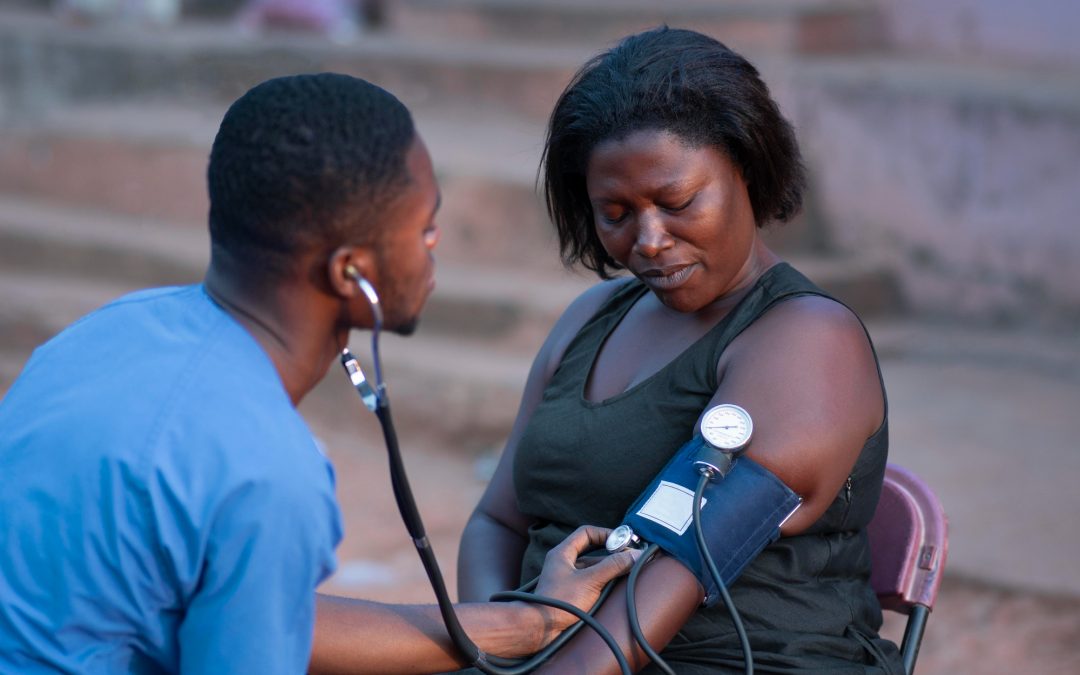
In healthcare, some of the most powerful tools are also the simplest. Among them is the routine monitoring of vital signs. Body temperature, pulse rate, respiration rate, blood pressure, and oxygen saturation. These measurements provide a Real-Time Window into a patient’s health and are often the first indicators that something in the body has changed.
To the elderly patients and individuals receiving Bedside Nursing Care, monitoring vital signs is not merely a clinical task; it is a lifeline. Aging bodies can respond differently to illness, and symptoms may not always present clearly. A slight increase in temperature, a gradual drop in oxygen levels, or subtle changes in blood pressure can signal infection, respiratory distress, or worsening chronic conditions long, before visible symptoms appear.
Regular monitoring allows caregivers and medical professionals to detect these changes early. Early detection leads to faster intervention, preventing complications that might otherwise require hospitalization. For families and caregivers, this proactive approach provides reassurance that their loved ones are being closely and thoughtfully cared for.
At Tick Bedside Nursing Care and Elderly Home, we see firsthand how consistent monitoring improves outcomes. Our nursing teams check vital signs regularly and carefully document trends. This pattern-based approach helps identify gradual shifts in a patient’s condition, something that a single measurement might miss. When trends suggest concern, medical teams can act quickly to adjust medications, hydration, nutrition, or treatment plans.
Monitoring vitals also strengthens communication between caregivers, physicians, and families. Objective data creates clarity. Instead of relying solely on how a patient “seems,” we can rely on measurable indicators to guide decisions.
Beyond the technology and procedures, lies a deeper truth: monitoring vital signs reflects attentive care. It demonstrates that every heartbeat, every breath, and every degree of temperature matter. For vulnerable populations, especially the elderly, this attention can mean the difference between a minor issue and a major health crisis.
As communities continue to prioritize compassionate and effective healthcare, we must recognize the critical role that vigilant monitoring plays. Whether in hospitals, homes, or elder care facilities, these simple measurements remain a critical need to the elderly patients and are useful for faster intervention.
In the quiet rhythm of recorded numbers, we often find the earliest signs of healing or the first warning that someone needs help.
The writer is: The Executive Director Tick Bedside Nursing Care and Elderly Home.
For more information call: +256772467311 +256701467311
Email: tickbedsidenursing@gmail.com
Recent Comments