
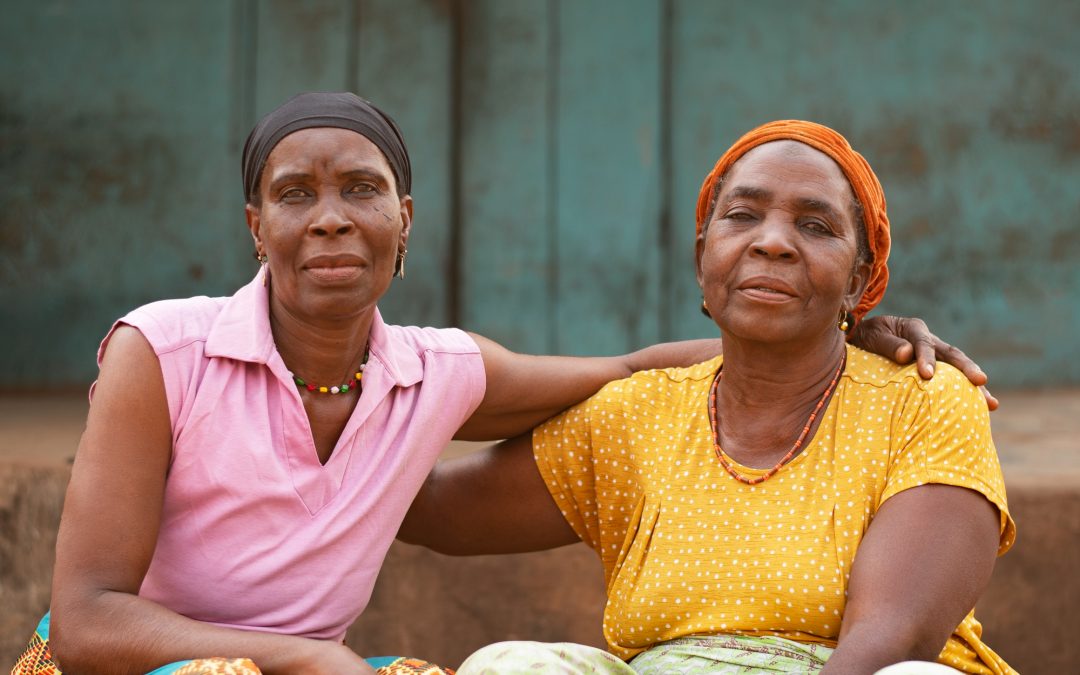
Uganda is undergoing a significant demographic transformation. With improvements in healthcare and living conditions, life expectancy is steadily increasing, allowing more people to live into old age.
By 2050, the country’s elderly population is projected to grow from approximately 2.4 million to about 6.6 million according to Open Source International. While this is a sign of national progress, it also presents serious economic, social, and health challenges that require urgent attention.
One of the greatest challenges facing older Ugandans is the rising cost of living. Inflation continues to increase the prices of food, medicine, transport, and other basic necessities. Many elderly people, especially those living in rural areas, have limited or no regular income. Having retired from formal employment or worked in the informal sector without pensions, they often depend on family members for financial support. However, as the cost of living rises, families themselves struggle to meet their own needs, making it increasingly difficult to care for ageing relatives.
Poverty further compounds these challenges. Although older persons have spent decades contributing to their families and communities, many now face financial insecurity. Some continue to work in physically demanding jobs despite declining strength and health because they have no alternative source of income. Others are left vulnerable due to the loss of spouses, limited savings, or changing family structures resulting from urban migration. These realities place many elderly Ugandans at risk of neglect and poor living conditions.
Healthcare is another growing concern. As people live longer, they are more likely to develop non-communicable diseases (NCDs) such as hypertension, diabetes, heart disease, cancer, and chronic respiratory illnesses. These conditions require continuous medical care, regular check-ups, and long-term medication.
Unfortunately, access to affordable healthcare remains a challenge for many older persons. Most health facilities lack specialized geriatric services, essential medicines are sometimes unavailable, and the cost of treatment can be beyond the reach of those living on limited incomes.
Mental health also deserves greater attention. Loneliness, depression, and anxiety are becoming increasingly common among older adults, particularly those living alone or separated from family members. Yet mental health services specifically designed for the elderly remain limited. Addressing emotional well-being is just as important as treating physical illness if Uganda is to support healthy ageing.
The growing elderly population also has important implications for national development. Government policies on social protection, healthcare financing, housing, and community support will need to adapt to meet the needs of an ageing society. Expanding pension coverage, strengthening social assistance programs, investing in age-friendly healthcare services, and promoting healthy lifestyles throughout life can help reduce future health and economic burdens.
Communities and families also have a critical role to play. Respecting and caring for older persons should remain a shared responsibility. Community-based support programs, volunteer initiatives, and awareness campaigns can help reduce isolation while ensuring that older citizens continue to participate actively in society.
Uganda’s ageing population should not be viewed as a crisis but as a call to prepare for the future. Older persons possess valuable knowledge, experience, and wisdom that can contribute to national development when they are supported and included. By addressing the challenges of inflation, poverty, and healthcare today, Uganda can ensure that its growing elderly population enjoys not only longer lives but also healthier, more secure, and more dignified ones.
The writer is the Executive Director Tick Bedside Nursing Care and Elderly Home. Tell +256772467311 +256701467311 Email: tickbedsidenursing@gmail.com www.tickbedsidenurses.com
Recent Comments