When 68-year-old Mzee Okello returned home after suffering a stroke, his family believed the hardest part was over. The doctors had discharged him, and everyone was relieved to have him back in familiar surroundings. But within days, new challenges emerged.
He could not turn himself in bed, swallowing was difficult, his speech was slurred, and his wife, though devoted, struggled to lift him safely or remember the timing of his medications. Like many Ugandan families, they quickly realised that leaving the hospital did not mean the end of treatment rather, it marked the beginning of recovery.
Across Uganda, stroke is becoming increasingly common due to rising cases of hypertension, diabetes, stress and other non-communicable diseases. While hospitals provide life-saving emergency care, limited bed space and high patient numbers often mean that survivors return home before they have fully recovered. Families are then expected to provide care with little or no formal training.
Caring for a stroke survivor at home involves much more than providing meals or helping them rest. It requires correct medication management, assistance with feeding and bathing, regular repositioning to prevent pressure sores, mobility support, speech and physical rehabilitation exercises, and close observation for warning signs such as infections or another stroke. A safe home environment, free from fall hazards and equipped with simple mobility aids, can make a significant difference in recovery.
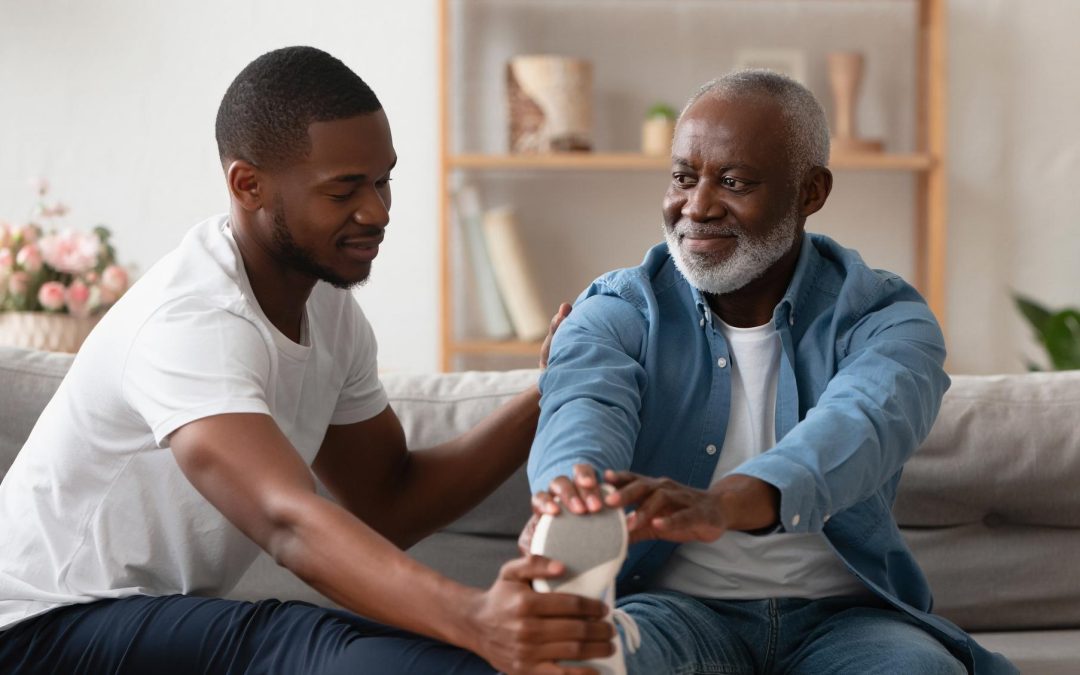
This is where a home care nurse becomes indispensable. A trained nurse bridges the gap between hospital and home by providing skilled nursing care while helping patients regain confidence and independence. They monitor vital signs, administer medications correctly, assist with rehabilitation, educate families on safe caregiving practices, and identify complications before they become emergencies requiring readmission.
For families, the nurse is also a trusted guide. They demonstrate safe lifting techniques, advise on nutrition for stroke recovery, and provide emotional support during what is often an overwhelming period. Their presence eases the physical and emotional burden on caregivers, allowing family members to focus not only on caring but also on encouraging and comforting their loved one.
As Uganda’s healthcare system continues to respond to the growing burden of chronic diseases, home nursing should no longer be viewed as a luxury reserved for a few. It is an essential extension of healthcare that improves recovery, preserves dignity, and gives families the confidence to care safely at home.
Rotary has long been a champion of disease prevention, health promotion, and community service. Supporting awareness of home-based nursing, strengthening community health initiatives, and advocating for accessible home care services are practical ways Rotary can help transform the lives of stroke survivors. When professional care follows the patient home, recovery becomes more than a medical process it becomes a shared journey of hope, dignity, and renewed possibility.
The writer is the Executive Director Tick Bedside Nursing and Elderly Care. Tell +256772467311 +256701467311 Email: tickbedsidenursing@gmail.com www.tickbedsidenurses.com
Recent Comments