
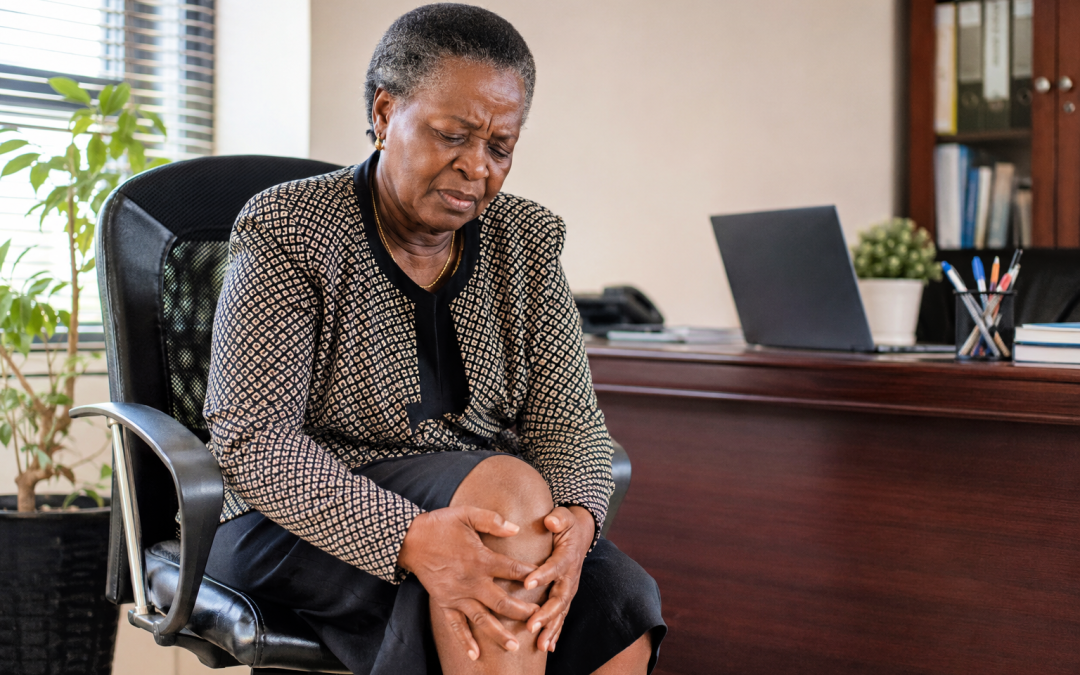
Joint pain is a common complaint among older adults. Because aches and stiffness often become more frequent with age, it is easy to assume that slight joint pain is simply a normal part of growing older.
This assumption can sometimes prevent older people from receiving timely care. Even mild or occasional joint pain deserves attention, particularly when it persists, returns frequently, or begins to affect everyday activities.
One important reason not to ignore joint pain is that it may be an early sign of arthritis, particularly osteoarthritis. According to medical experts, osteoarthritis occurs when the tissues within a joint gradually deteriorate, causing pain, stiffness, tenderness, and sometimes swelling. Although it is more common among older adults, joint pain should not automatically be considered an unavoidable consequence of aging. Recognizing symptoms early can help individuals seek appropriate treatment and maintain their quality of life.
Another concern is the effect that persistent joint pain can have on mobility. An older person experiencing discomfort may gradually reduce activities such as walking, exercising, climbing stairs, or performing household tasks. Reduced physical activity can lead to muscle weakness and loss of physical function. Over time, this may make it more difficult for the person to remain independent and carry out normal daily activities.
It is important to note, however, slight joint pain can also have causes other than osteoarthritis. Conditions such as inflammatory arthritis, gout, previous injuries, or infections may produce joint symptoms. Some of these conditions require specific medical treatment, making it important to establish the underlying cause rather than simply treating the pain at home.
Therefore, older adults should pay attention to changes in the nature and frequency of their joint pain. Medical advice is particularly important when pain persists for several weeks, repeatedly returns, becomes progressively worse, or is accompanied by swelling, warmth, redness, weakness, or significant stiffness. Difficulty walking or performing normal daily activities is another reason to seek professional assessment.
Sudden severe pain in a joint, particularly when the joint becomes hot and swollen, should receive prompt medical attention. If these symptoms occur alongside fever or a general feeling of illness, urgent evaluation may be necessary because an infection or another serious condition could be responsible.
It is also important for older adults to avoid routinely taking pain medicines without professional advice. Certain anti-inflammatory medications can cause complications such as stomach bleeding or kidney problems, and the risks may be greater in older people or those taking other medicines.
Fortunately, many causes of joint pain can be managed effectively. Depending on the diagnosis, treatment may include appropriate physical activity, exercises to strengthen muscles around the affected joint, weight management where appropriate, medication, physical therapy, or other interventions recommended by a healthcare professional.
Thus, slight joint pain should not simply be dismissed as part of aging. Paying attention to early symptoms can help identify underlying conditions, prevent unnecessary loss of mobility, and support independence. For older adults, noticing a small change today and seeking appropriate advice may help prevent a much bigger problem tomorrow.
The writer is the Executive Director Tick Bedside Nursing and Elderly Care. Tell +256772467311 +256701467311 Email: tickbedsidenursing@gmail.com www.tickbedsidenurses.com
Recent Comments