Growing old is a natural part of life, but it should never mean withdrawing from society, losing purpose, or spending the remaining years in boredom and loneliness.
Older persons possess a wealth of knowledge, experience, wisdom, and skills that remain valuable to families, communities, and the nation. The challenge is to create opportunities that enable them to remain active, connected, and appreciated throughout their later years.
One of the most effective ways to keep older persons active is to give them a sense of purpose. Retirement from formal employment should not mean retirement from meaningful contribution. Older persons can mentor young people, advise entrepreneurs, teach traditional skills, share cultural knowledge, and guide families using lessons learned over decades.
In Uganda and across Africa, elders have traditionally played an important role in passing down history, values, customs, and community wisdom. Preserving this role can help them remain relevant while strengthening connections between generations.
Physical activity is equally important. Walking, gardening, dancing, light exercises, and participating in community activities can help older persons maintain mobility, improve their mood, and support their general well-being. Activities should be suited to individual abilities and health needs. A small vegetable garden, for example, can provide exercise, fresh food, and a rewarding daily routine. Community centres, religious institutions, and local organisations can organise age-friendly exercise sessions that bring older people together.
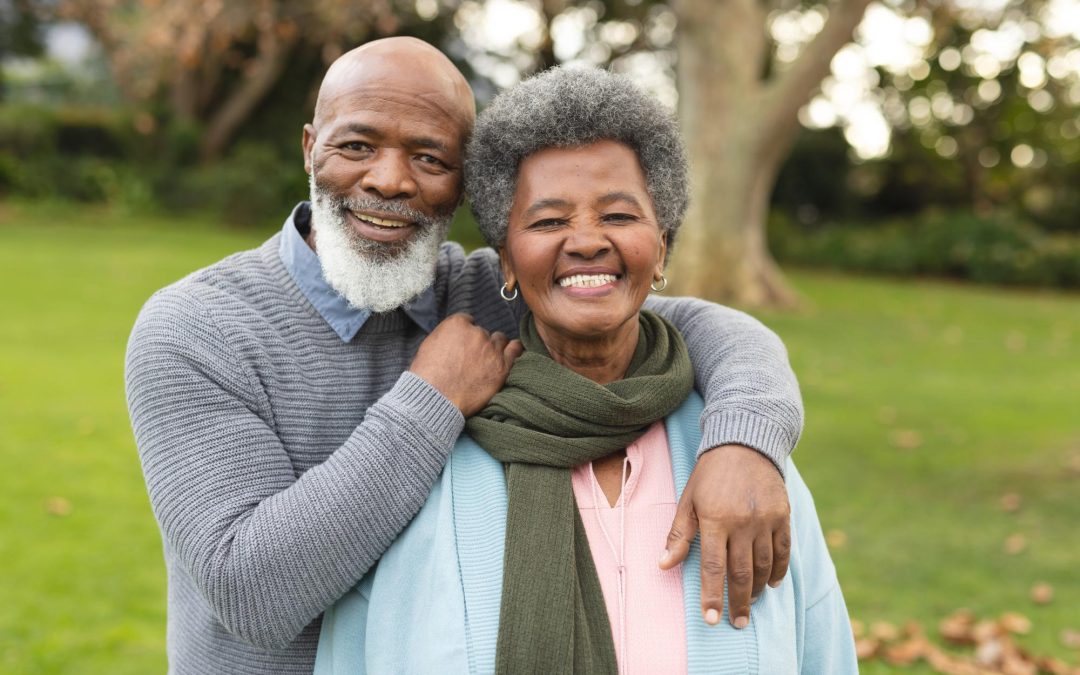
Social interaction is another powerful remedy for boredom and loneliness. Regular visits from relatives, conversations with friends, participation in religious gatherings, and involvement in community groups can make a tremendous difference. Families should remember that older persons need more than food, shelter, and medical care; they also need companionship, attention, and the assurance that they still matter. A phone call, shared meal, or afternoon conversation can brighten someone’s day.
Lifelong learning can also open new doors. Older persons can learn to use smartphones, explore digital communication, read books, attend community lectures, or develop new hobbies such as painting, crafts, music, and writing. Technology can help them stay connected to distant relatives, access useful information, and participate in social networks. With patient guidance, even those who have never used digital devices can discover new interests and opportunities.
Furthermore, older persons should be encouraged to participate in economic and voluntary activities where they are willing and able. Some may wish to continue farming, run small businesses, make handicrafts, support charitable initiatives, or volunteer with community organisations. Such opportunities can provide modest income, stimulate the mind, and reinforce independence. Society must avoid assuming that old age automatically means helplessness or inability.
Rotary clubs, community associations, local governments, and faith-based organisations can make a meaningful contribution by establishing elderly social clubs, organising intergenerational programmes, supporting recreational activities, and creating spaces where older people can share their experiences. These initiatives should include those who are isolated, living with disabilities, or unable to afford recreational activities.
Ultimately, keeping older persons active is a shared responsibility. Families must offer love and inclusion, communities must provide opportunities, and governments must promote policies that protect dignity and participation.
Old age should not be a season of waiting for life to end, but a chapter filled with purpose, friendship, discovery, and contribution. When society values its elders, it does more than improve their lives; it preserves its wisdom, strengthens its social fabric, and teaches younger generations that every stage of life deserves dignity, joy, and belonging.
The writer is the Executive Director Tick Bedside Nursing Care and Elderly Home. Tel +256772467311 +256701467311 Email: tickbedsidenursing@gmail.com www.tickbedsidenurses.com
Recent Comments