
Uganda stands at a quiet but profound crossroads. For generations, care for the elderly has been woven into the fabric of family life, anchored in respect, communal responsibility, and deep cultural obligation. Aging parents were rarely “placed” anywhere, they remained at the center of the home, repositories of wisdom and identity. Yet today, the realities of modern life are steadily reshaping this tradition.
Urbanization, Migration, and Economic Pressures are redefining family structures. Young people leave rural homes for cities or even abroad, often in pursuit of greener pastures. Women (historically the primary caregivers) are increasingly part of the formal workforce. Extended families are becoming smaller, more dispersed, and less able to provide full-time, specialized care for aging relatives. These shifts are not a rejection of culture, but rather an evolution shaped by necessity.
It is within this changing landscape that professional nursing care and elderly homes are emerging, not as replacements for family, but as partners in care.
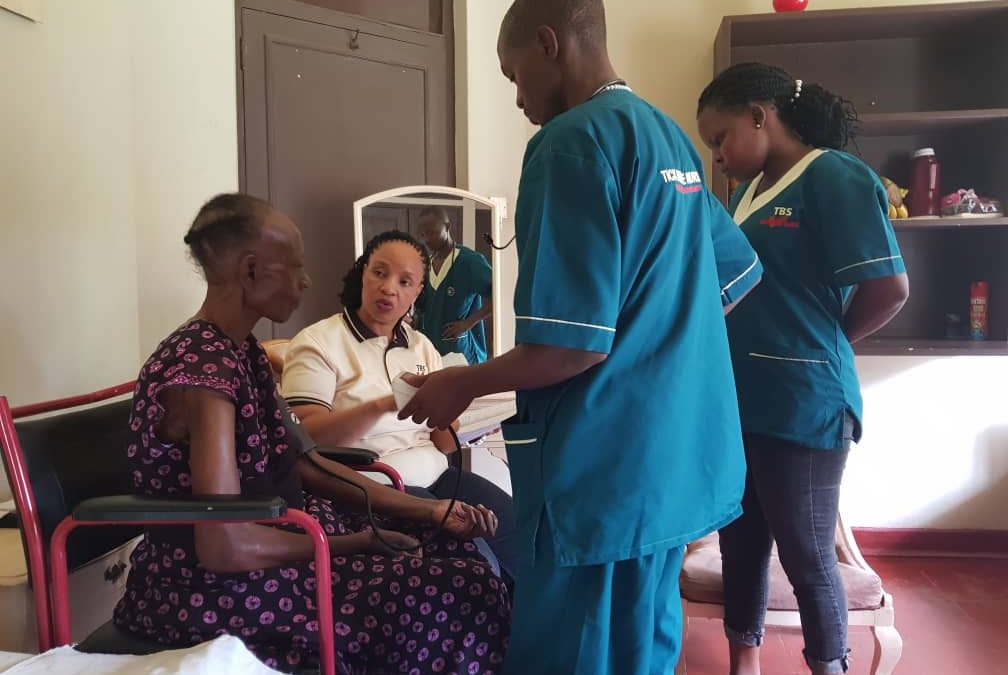
At Tick Bedside Nursing Care and Elderly Home, we see firsthand, the emotional complexity families face. Many approach us with hesitation, even guilt, fearing they are abandoning their loved ones. But what they are truly seeking is support that they may no longer be equipped to provide alone. In most cases elders themselves refuse to come, worried that their family members have abandoned them
Modern care facilities offer more than shelter. They provide trained nursing support, management of chronic illnesses, rehabilitation services, and a safe environment tailored to the needs of older adults. In cases of dementia, stroke recovery, or mobility limitations, professional care can significantly improve quality of life and dignity.
Importantly, embracing such services does not mean abandoning our African values. On the contrary, it can be seen as an extension of them. The core principle of our culture is not merely where care happens, but how well it is given. Choosing professional support can be an act of love, ensuring elders receive the attention and expertise they deserve.
That said, Uganda must approach this transition thoughtfully. Elderly Homes should not become places of isolation or neglect. They must remain culturally sensitive spaces that encourage family involvement, community connection, and respect for the social identity of residents. Policies, Regulation, and Ppublic Awareness will be critical to maintaining standards and trust.
We must also confront accessibility. Quality elderly Care should not be a privilege for a few. As our population ages, there is a growing need for affordable and community-based models that blend home care with institutional support.
The conversation is no longer about choosing between tradition and modernity. It is about harmonizing both. Uganda has the opportunity to build a model of elderly care that honors its cultural heritage while responding to contemporary realities.
Caring for our elders is not changing in importance—only in form. And if guided with compassion and foresight, this evolution can strengthen, rather than weaken, the values we hold dear.
The writer is: The Executive Director Tick Bedside Nursing Care and Elderly Home.
For more information call: +256772467311 +256701467311
Email: tickbedsidenursing@gmail.com
Recent Comments