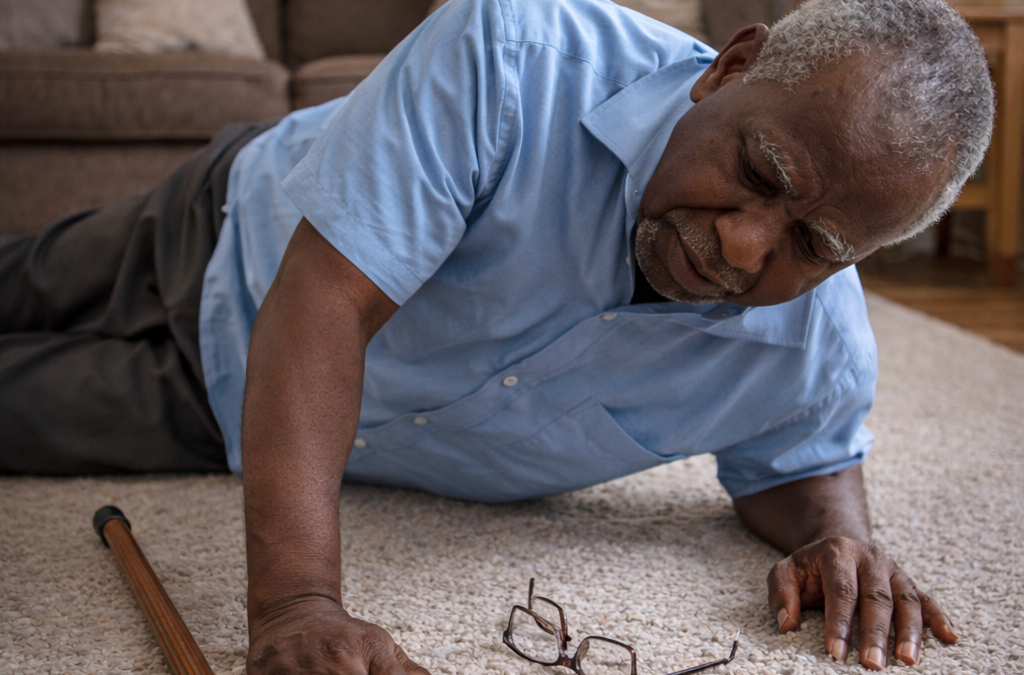
Falls are the leading cause of injury among older adults, and they represent one of the most serious yet preventable health risks facing the elderly today. As people age, changes in balance, vision, muscle strength, and reaction time increase the likelihood of falling. What may seem like a simple slip can result in devastating consequences such as hip fractures, head injuries, loss of independence, prolonged hospitalization, or even death.
Statistics consistently show that one in three adults over the age of 65 experiences a fall each year. Beyond physical injury, falls often create a psychological ripple effect. Many seniors develop a fear of falling again, which leads to reduced movement, social isolation, and further physical decline. In this way, a single fall can quietly change the entire course of an elderly person’s life.
The good news? Most falls are preventable with practical, low-cost interventions and attentive care.
Common Causes of Falls
Falls usually result from a combination of factors rather than one single issue. These include:
- Poor lighting in hallways or bathrooms
- Slippery floors or loose rugs
- Weak muscles or balance problems
- Side effects of medication such as dizziness
- Vision or hearing impairments
- Lack of supervision during movement
Recognizing these risks is the first step toward prevention.
Quick Solutions and Prevention Tips
Make the home safer: Install grab bars in bathrooms, ensure good lighting, remove loose rugs, and keep walkways clutter-free.
Encourage regular movement: Gentle exercises like walking, stretching, or balance training help maintain muscle strength and coordination.
Review medications regularly: Some drugs increase dizziness or drowsiness. Regular reviews with a healthcare provider are essential.
Ensure proper footwear: Non-slip, well-fitting shoes provide better stability than loose slippers or socks.
Support vision and hearing care: Regular eye and ear check-ups help seniors better navigate their environment.
Provide supervision when needed: Many falls happen when elderly individuals attempt tasks alone that require assistance, such as bathing or moving at night.
When Prevention Isn’t Enough
Even with the best precautions, falls can still happen. What matters then is how quickly and effectively help arrives. This is where professional bedside nursing care and elderly home support become invaluable.
Tick Bedside Nursing Care and Elderly Home offers compassionate, trained caregivers who understand the unique risks older adults face. Whether it’s assisting with daily movement, monitoring high-risk individuals, or responding promptly after a fall, professional caregivers significantly reduce complications and promote recovery. Their presence not only improves physical safety but also provides emotional reassurance for both seniors and their families.
In cases where an elderly person requires short term recovery support or long term assisted living, a dedicated elderly home environment ensures continuous monitoring, proper medication management, and fall-aware daily routines.
A Shared Responsibility
Falls are not an inevitable part of aging, they are a risk we can actively manage. Through awareness, home adjustments, physical support, and professional care, families can protect their loved ones from avoidable harm.
By combining prevention strategies with reliable services like Tick Bedside Nursing Care and Elderly Home, we move closer to a future where aging is safer, more dignified, and far less fearful.
The writer is the founder and Executive Director, Tick Bedside Nursing Care and Elderly Home.
Recent Comments