
For the years I have been in the home nursing and elderly care sector, I have learnt that many families delay conversations about caregiving because the signs are indirect at first. A parent may still live independently, manage conversations well, and insist they are “fine.” But small changes in daily life often signal deeper risks. Recognizing these signs early allows families to provide support before a crisis forces the issue.
Three common warning signs deserve particular attention here and these are frequent falls, missed medications, and increasing isolation.
Frequent falls are one of the most serious indicators that extra help may be needed. A single fall can be brushed off as bad luck, but repeated slips, unexplained bruises, or hesitation when walking point to declining balance, vision, or strength. Falls are a leading cause of injury among older adults, and even minor ones can lead to fear, reduced mobility, and loss of confidence. A caregiver can help by monitoring movement, adjusting the home environment, and ensuring safer daily routines, often preventing a fall before it happens.
Missed medications are another common red flag. Skipped doses, double dosing, or confusion about prescriptions can have serious consequences, especially for parents managing chronic conditions like diabetes, high blood pressure, or heart disease. It is a fact that medication schedules can become overwhelming as prescriptions increase. A caregiver then provides structure by organizing medications, offering reminders, and watching for side effects. This kind of support reduces medical complications and lowers the risk of emergency hospital visits.
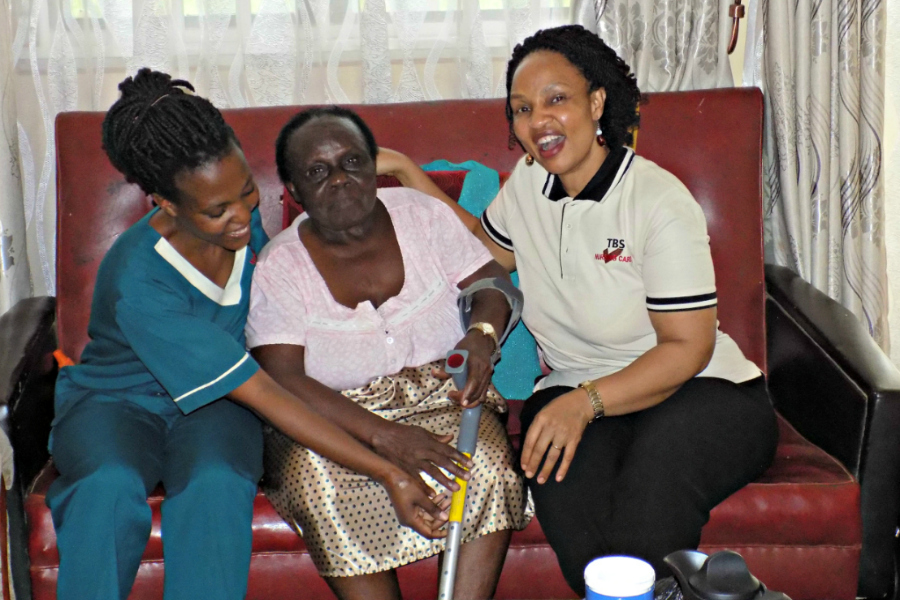
Isolation is often overlooked but just as dangerous. When an elderly person stops attending social activities, avoids visitors, or spends long periods alone, both mental and physical health can decline. Isolation increases the risk of depression, cognitive decline, and poor self-care. Sometimes isolation is caused by mobility issues or hearing loss; other times it follows the loss of a spouse or close friends. In this case, a caregiver brings more than assistance, they bring human connection. Regular interaction restores routine, engagement, and a sense of safety.
What makes these signs especially critical is how they interact. A fall can lead to fear, which leads to isolation. Isolation can increase forgetfulness, leading to missed medications. Each issue compounds the others, creating a cycle that quietly escalates into a medical emergency.
Early support does not mean taking away independence. In fact, the right care giving help often preserves it. Whether through part-time assistance, daily check-ins, or full-time care, support can be tailored to fit your elderly parent’s needs and dignity.
Paying attention to these early signals allows families to act proactively rather than reactively. When support arrives before a crisis, parents stay safer, healthier, and more confident in their own homes and families gain peace of mind knowing they didn’t wait too long.
The writer is the founder and Executive Director, Tick Bedside Nursing Care and Elderly Home.
Recent Comments