
Loneliness is often dismissed as a quiet, emotional discomfort, but growing evidence and lived experience suggest it can be as harmful than many physical illnesses. Unlike a visible disease, loneliness works silently, affecting mental, emotional, and physical health over time.
In an increasingly fast-paced and digitally connected world, many individuals, especially the elderly, chronically ill, and hospitalized experience deep isolation. In these moments, nursing care plays a powerful and often life saving role.
Loneliness has been linked to depression, anxiety, weakened immunity, cardiovascular disease, and even increased mortality. When people feel socially isolated, stress hormones rise, sleep quality declines, and motivation for self-care drops. A lonely person may ignore symptoms, skip medications, or lose the will to recover. In this way, loneliness does not just coexist with illness, it worsens it. In some cases, a patient may survive a disease but succumb to the emotional weight of feeling unseen, unheard, or unloved.
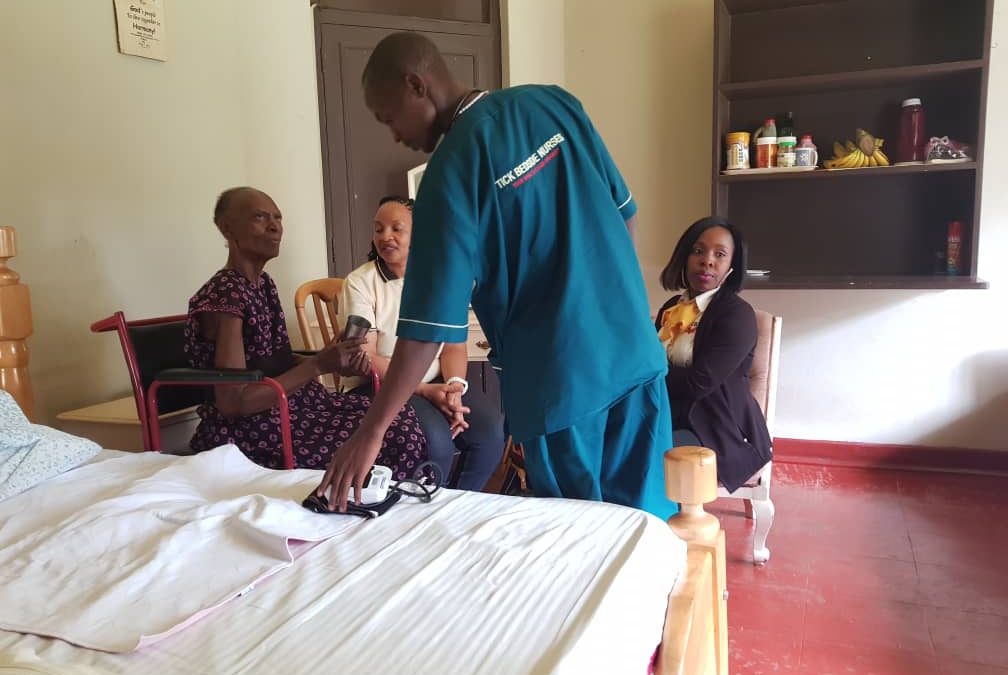
This is where nursing care becomes more than a clinical responsibility. It becomes human connection. Nurses are often the healthcare professionals who spend the most time with patients. Beyond administering medication and monitoring vital signs, nurses provide presence. A simple conversation, a listening ear, or a reassuring touch can ease fear and restore dignity. For patients who feel abandoned or forgotten, a nurse may be the only consistent human interaction they have.
During long hospital stays, palliative care, or elder care, loneliness can be overwhelming. Nurses help bridge this emotional gap by offering empathy, patience, and respect. They notice subtle changes in mood, withdrawal, or hopelessness, the signs that may go unnoticed in a busy medical setting. By acknowledging a patient’s feelings and encouraging expression, nurses help reduce emotional suffering that medicine alone cannot treat.
In community and home-based care, nurses also play a key role in combating loneliness. Home care nurses often become trusted companions for patients living alone. They not only provide medical care but also assess social needs, encourage family involvement, and connect patients with support services. This holistic approach recognizes that health is not just the absence of disease, but the presence of connection and meaning.
In lonely times such as during pandemics, aging, or chronic illness, nursing care stands as a shield against isolation. Nurses remind patients that they matter, that their lives have value beyond their diagnosis. While illness attacks the body, loneliness attacks the spirit. Nursing care, rooted in compassion and human connection, has the unique power to heal both.
In a nutshell, loneliness can indeed be more dangerous than illness, but it is not unbeatable. Through attentive, empathetic, and patient-centered care, nurses play a crucial role in reducing loneliness and promoting true healing. Their presence turns care into comfort, and treatment into hope.
The writer is the founder and Executive Director, Tick Bedside Nursing Care and Elderly Home.
Recent Comments